Resilience Starts With Liquidity at the Right Time
Weather protection for the farms that produce a third of the world's food, paid for from the harvest and pre-financed through the capital markets.
Partner With Us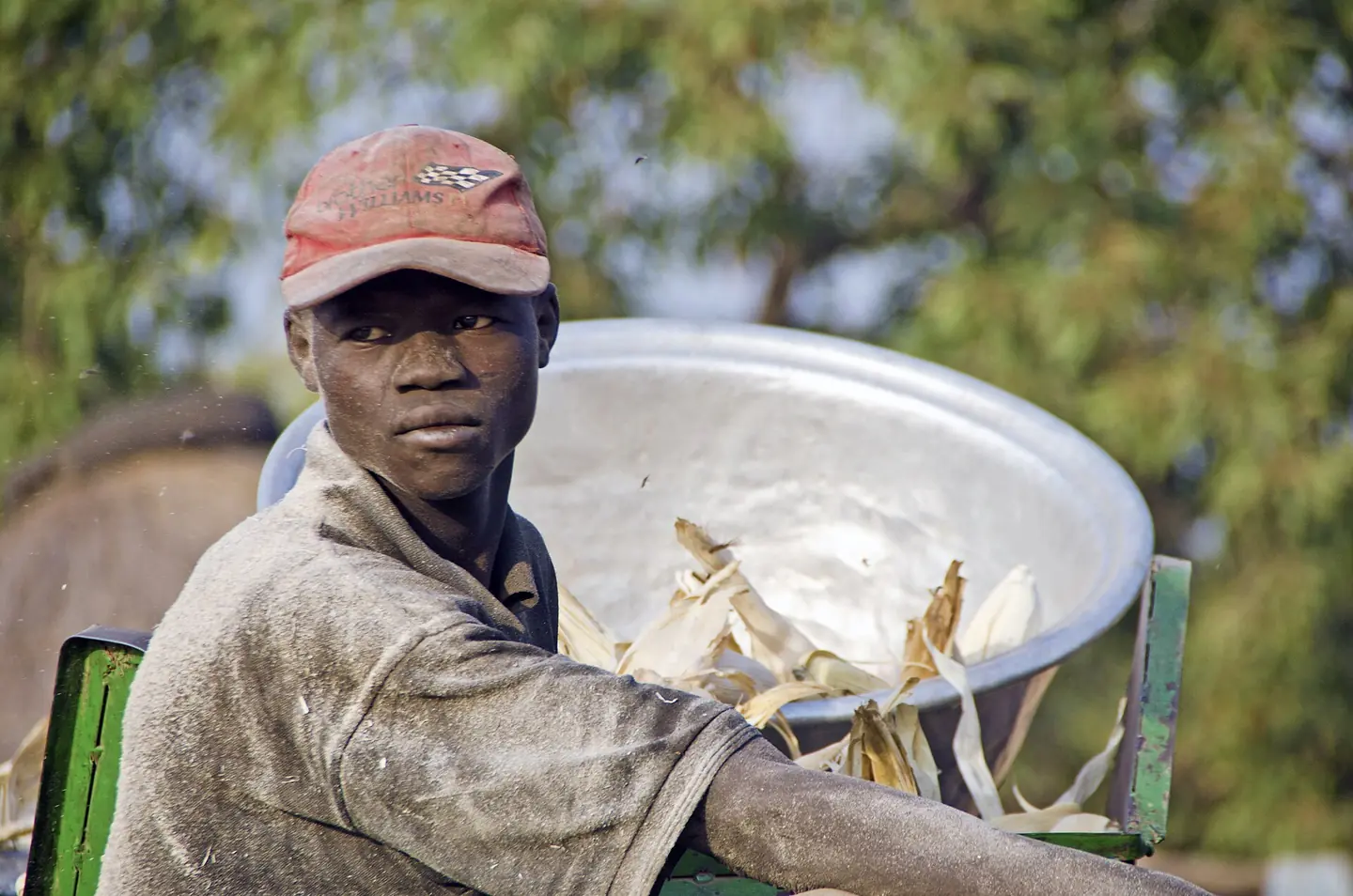
- Of rural people with insurance cover¹
- Uptake with the premium paid at harvest²
- From trigger to payout
¹ ISF Advisors (2025). ² Randomised field trial with contract farmers in Kenya (Casaburi & Willis, 2018).
Resilience on Three Levels
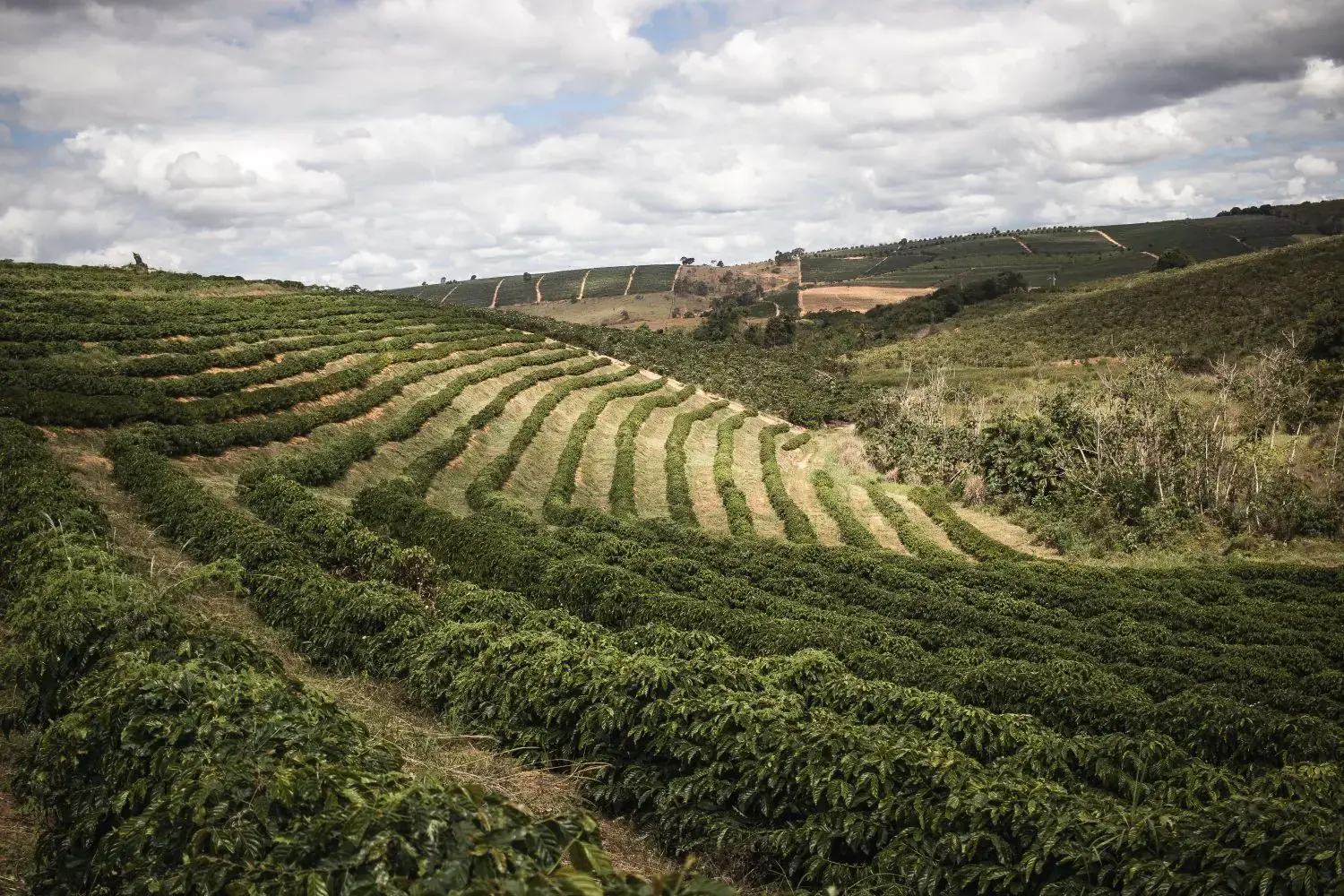
Around 510 million farms worldwide cultivate less than two hectares, and almost none of them are insured. A single season of extreme weather can set a household back by years. A fast payout breaks that cycle where it starts.
- 01
Households: Absorbing the Shock
A payout within days prevents distress sales of livestock, tools and seed, the very assets the next season depends on.
- 02
Farms: Room to Invest
Insured farms are safer borrowers. Input credit and better practices become worth taking on once a single bad season no longer threatens the farm.
- 03
Supply Chains: Systemic Resilience
When farmers keep delivering after a shock, sourcing bases stabilise and local food supply holds: the same effect, measured in two places.
Protection does not replace adaptation. It finances its precondition: when a bad season no longer means losing the farm, investing in the next one becomes rational.
Market Infrastructure, Not Subsidy
Most agricultural microinsurance reaches farmers only with premium subsidies, and ends when the budget does. This programme is built differently.
Who pays the premium
Public or donor budgets
The harvest, settled at delivery
What limits growth
The size of the budget
The size of the supply chain
Where risk capacity comes from
Subsidy rounds
Reinsurance and capital markets
Concessional capital
Pays premiums, every season
Builds the market, disclosed in full
Contribution to the Sustainable Development Goals
Each contribution is tied to an indicator that arises from programme operations, so it can be verified.

 Target 1.5
Resilience of the Poor
Payouts within days prevent the sale of productive assets after a shock.
Farms reached, payout rate, time to payout
 Target 2.3
Smallholder Incomes
Insurability makes input credit and adapted farming practices financeable.
Renewal rate, covered quantity per farm
 Target 5.a
Equal Access
Registration at the point of delivery, without collateral, credit scores or land titles.
Share of women among insured farmers
 Target 8.10
Financial Inclusion
First access to formal risk protection, with no cash, no application form and no credit check.
Share of first-time insured farms
 Target 13.1
Climate Resilience
Parametric cover against the dominant weather peril of each region, renewed every season.
Loss ratios, false-negative rate per programme
 Target 17.3
Mobilising Capital
Reinsurance and capital markets bring private capital into cover for smallholders.
Private to concessional capital per programme
Responsible by Design
Client protection is part of the programme design, not an add-on. These principles apply to every programme.
A Fixed Burden
The premium is a fixed quantity of harvest in kilograms, agreed before the season. It does not change with prices or with the outcome of the season.
Never a Cash Debt
Every pledge is settled from the harvest or from the payout. Farmers never owe cash, and every obligation ends with the season.
An Independent Voice
Farmers can raise complaints directly with Interscale, independently of the buyer or cooperative that receives their harvest.
Farmers Own Their Data
Each farmer keeps control over their own delivery and payout history.
Build Resilience With Us
We welcome conversations with development finance institutions, foundations and impact investors who share our goal of making smallholder farming resilient to extreme weather.
Partner With Us